All under one BCBA-supervised roof, ABA, speech, occupational and behavioural therapy, special education, and more, each built around your child's own assessment.
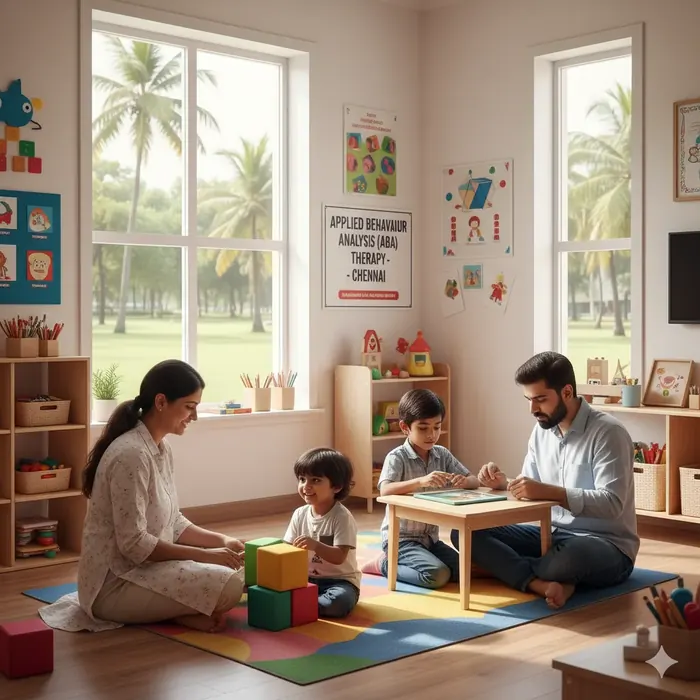
Applied Behavior Analysis breaks skills into small, teachable steps and uses positive reinforcement to build them, while reducing behaviours that interfere with learning, such as aggression, tantrums or repetitive self-stimulating behaviour. It's most often recommended for children with a confirmed or suspected autism spectrum diagnosis, and for children whose behaviour is significantly affecting family life, schooling or safety.
This depends entirely on your child's assessment and goals. We'll recommend a starting point after the initial assessment and adjust based on progress.
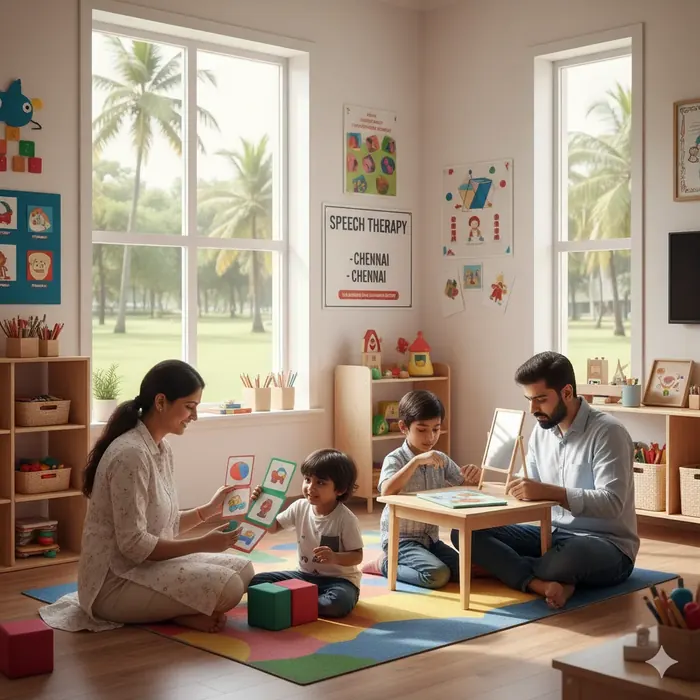
Speech therapy addresses how a child produces sounds and words, how well they understand language, and how they use language to express themselves and interact with others. It helps late talkers, children with specific speech sound errors, and children who struggle with the back-and-forth of conversation.
Yes. Therapy for nonverbal or minimally verbal children often focuses on building functional communication first, through gestures, picture systems or AAC devices, alongside continued spoken language work.
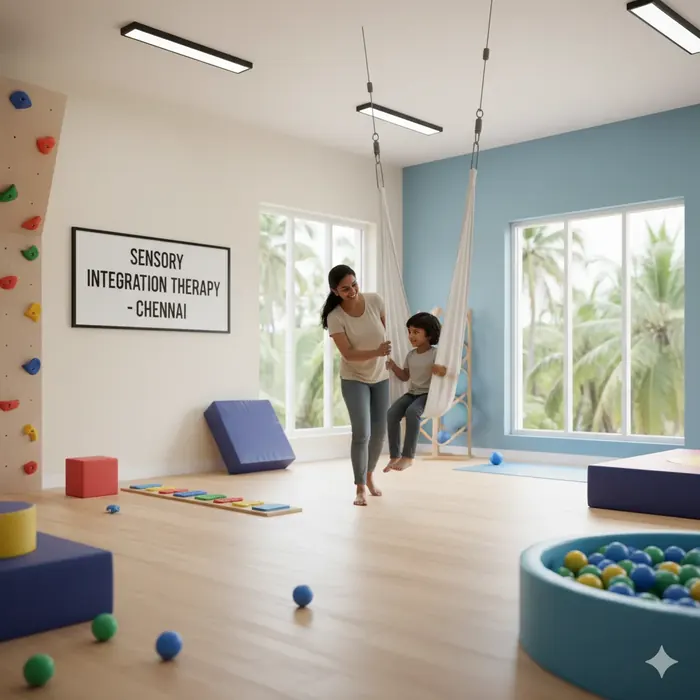
Paediatric occupational therapy supports how a child processes sensory input, how they use their body for fine motor tasks like writing or buttoning a shirt, and how independently they manage daily routines like dressing and self-care. It helps children who are unusually sensitive to sound, touch or movement, and children who struggle with handwriting or coordination.
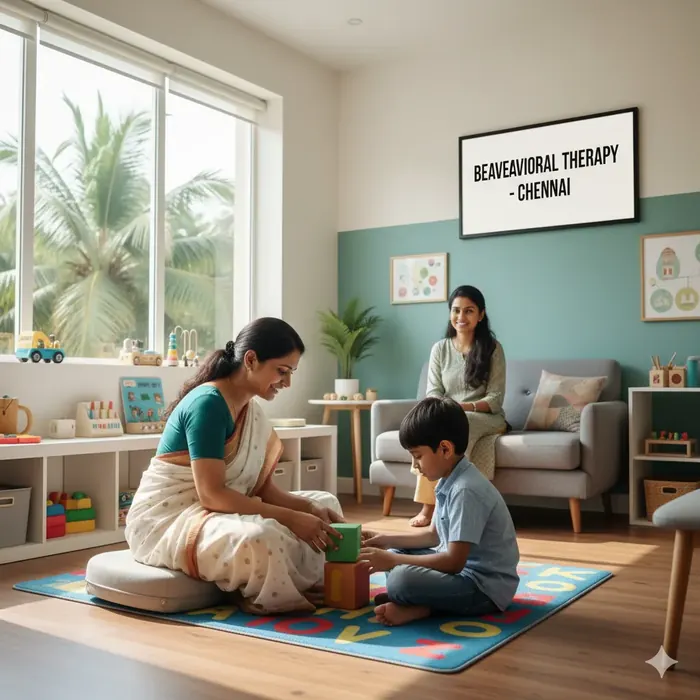
Behavioural therapy centres on understanding why a behaviour is happening, through a functional behaviour assessment, before deciding how to address it. From there we build an individualised behaviour intervention plan that teaches a replacement skill. This helps children showing aggression, frequent meltdowns, elopement, self-injury or persistent defiance.
Special education support covers individualised academic planning, remedial teaching in specific subjects, and adapting how material is taught to match how your child actually learns. This supports children with diagnosed learning delays and children who are trying hard but consistently falling behind academically.
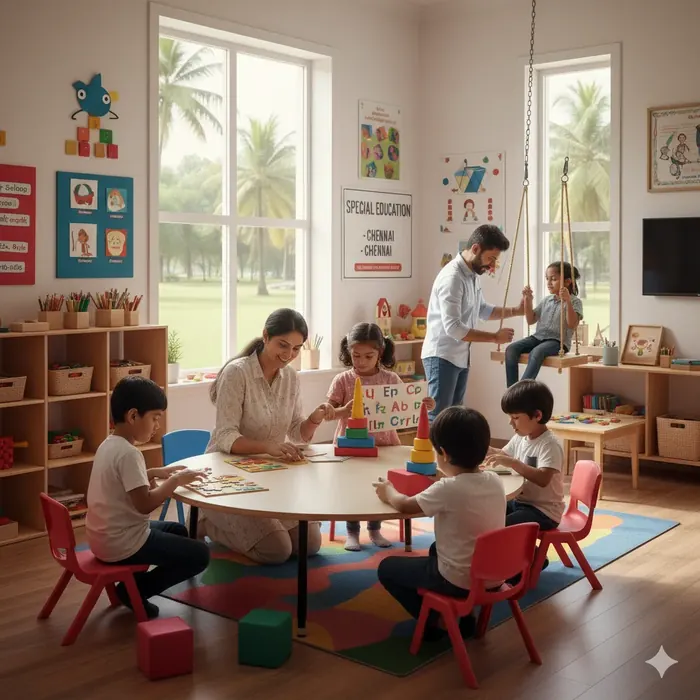
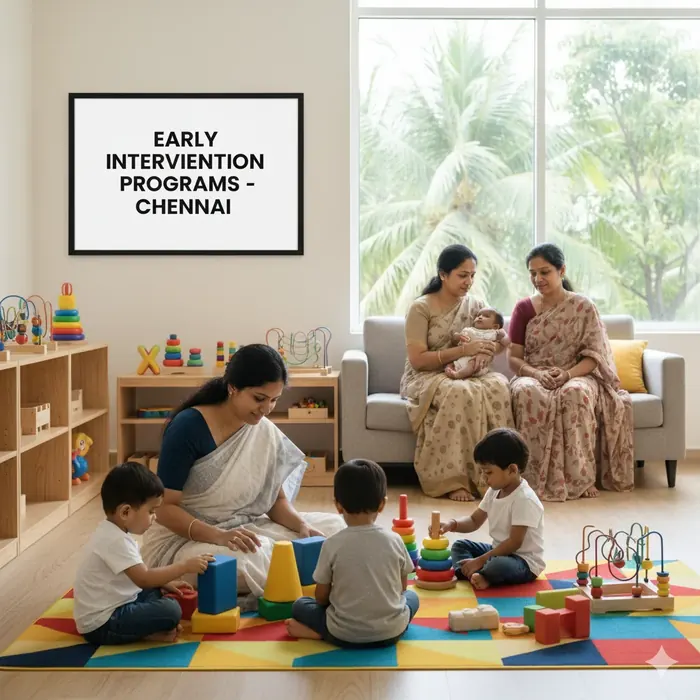
Early intervention is therapy support introduced as early as possible, generally before age 6. It doesn't always require a finalised diagnosis to begin. It's designed for toddlers showing delayed speech or social development, and any child a paediatrician has flagged for developmental review.
Yes. Early, play-based support can begin based on a developmental screening while a formal diagnostic evaluation is arranged.
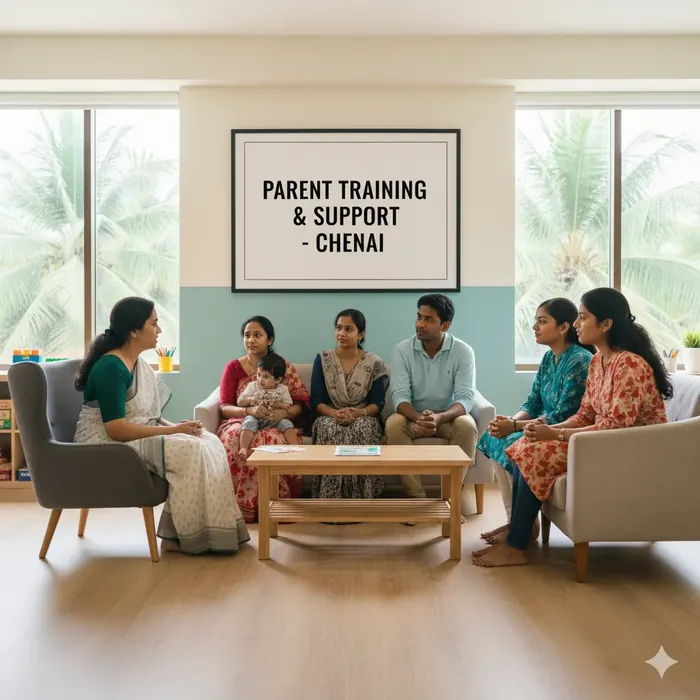
Parent training is structured coaching for parents and caregivers, so the strategies used in therapy sessions carry over consistently into home routines, mealtimes, sleep and everyday family life. This benefits any family currently in therapy and any caregiver who wants to be working from the same playbook.
A school readiness program prepares a child for the specific demands of a classroom, sitting for instruction, following multi-step directions, managing transitions, and interacting appropriately with peers. This helps children about to enter mainstream school and children transitioning from a special school setting.
Consultation services connect our clinical team directly with schools and paediatric or medical specialists, so a child's support plan reflects input from everyone involved in their care. This helps parents unsure what kind of support their child needs, and schools looking for guidance on supporting a specific student.

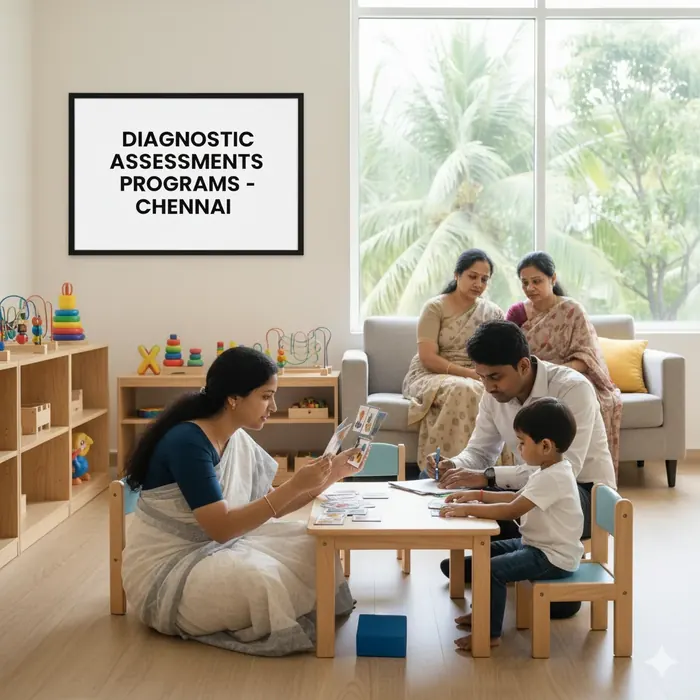
An autism and developmental assessment is a structured evaluation of a child's communication, social interaction, behaviour, and motor and sensory skills, combining direct observation, standardised tools and a detailed conversation with parents. This is recommended for children showing possible early signs of autism or referred for a developmental review.
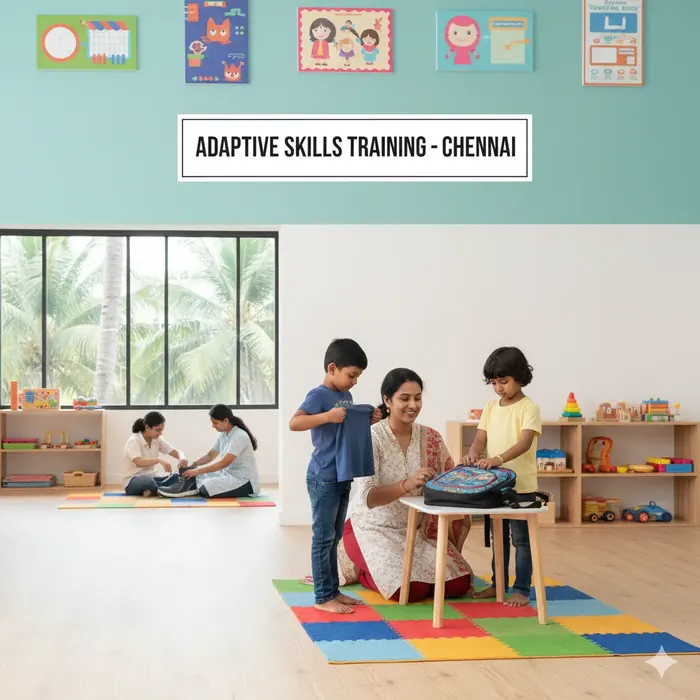
Life skills training focuses on the practical, everyday tasks that build independence: self-care and hygiene, dressing, basic meal preparation, understanding money, and safety awareness in the community. This is especially valuable for older children and teens preparing for greater independence.
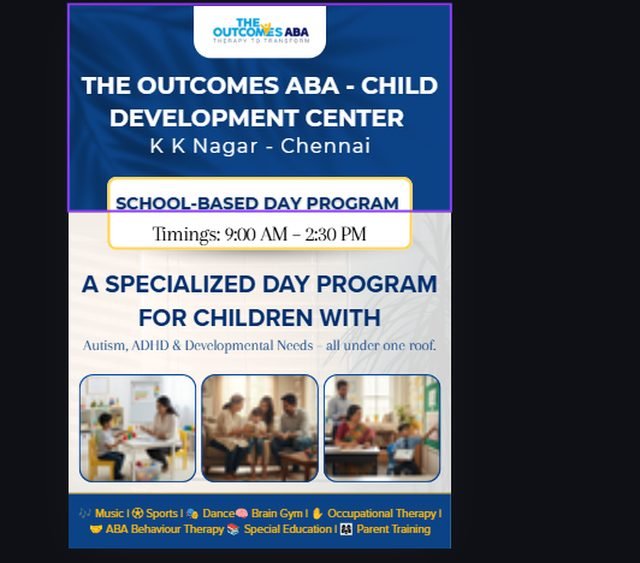
Timings: 9:00 AM – 2:30 PM, at our KK Nagar centre. A specialised, school-style day program for children with autism, ADHD and developmental needs, all under one roof: ABA behaviour therapy, occupational therapy, special education, parent training, brain gym, and music, dance and sports.
This is a structured, full day rather than standalone appointments, so your child moves through a consistent daily routine built around therapy.
Yes, the school-based day program currently runs at our KK Nagar centre. Our other centres offer scheduled individual and group therapy sessions rather than the full-day format.
Please discuss your child's specific needs with our team during a consultation, we'll advise what's realistic based on your child's goals and current schedule.
Applied Behavior Analysis (ABA) is an evidence-based approach that breaks skills into small, teachable steps and uses positive reinforcement to build them, while reducing behaviours that interfere with learning and daily life.
ABA is most commonly used for autism spectrum disorder, but the same principles can support children with ADHD, developmental delays and behavioural challenges more broadly.
Not always. For younger children especially, we can begin supportive, play-based therapy based on a developmental screening while a formal diagnostic evaluation is arranged.
Call us directly, fill out the contact form on our Contact page, or visit any of our four centres. The first consultation is free.
We'll discuss your child's history, current concerns and goals, and outline whether a full assessment is the recommended next step.
We have centres in KK Nagar, Porur (two locations) and Mylapore, and see families from across the city.
Where a school is open to it, yes, particularly for special education support and school readiness programs.
Book a free consultation and we'll help you work out the right starting point, no pressure to commit to anything on the first call.
Social Skills Training
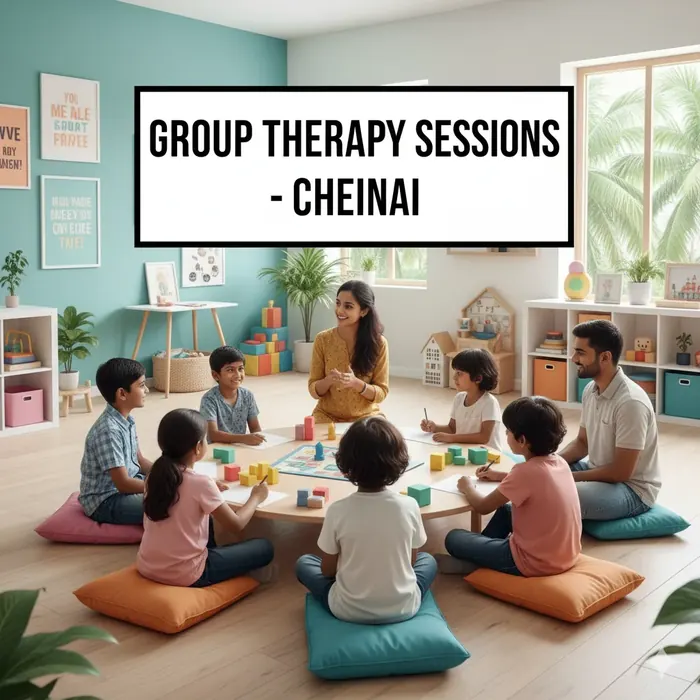
Social skills training gives children structured practice at specific interactions many peers pick up naturally, taking turns, starting a conversation, reading facial expressions and joining group play. This helps children who want friendships but struggle to form or keep them.